GM 10 Bolt Rear Gear Install & Setup

Bigredmariner

I'm too LAZY to Choose a Custom Title!!!
Lifetime Supporting Member
Joined
May 21, 2009
Posts
35,883
Reaction score
35
Location
United State of Texas
I will attempt to cover the necessary steps in building a differential for a GM 10 bolt rear end with an 8.5/8.6 ring gear. These basic steps should pertain to most GM rear differentials and if followed with leave you satisfied for many miles.:D

To start you want a bare differential, for tear down refer to this thread.

http://truckmodcentral.com/forums/showthread.php?t=11626

Print out the attached Yukon Gear Installation Instructions and read them several times so you are familiar with what you are about to tackle.


Tools needed:

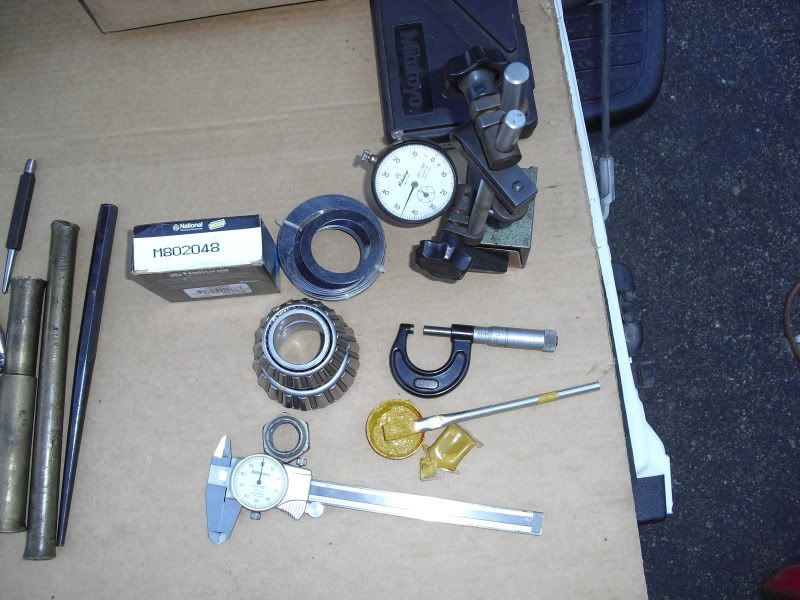
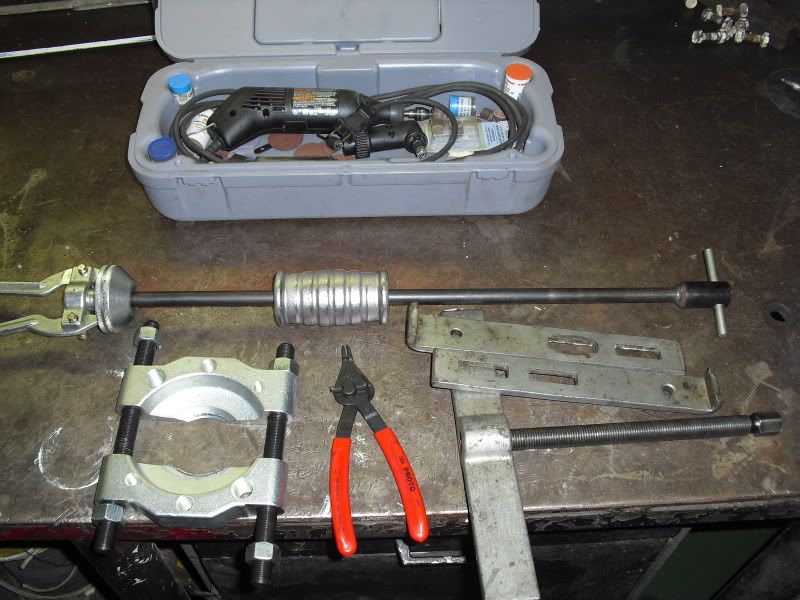
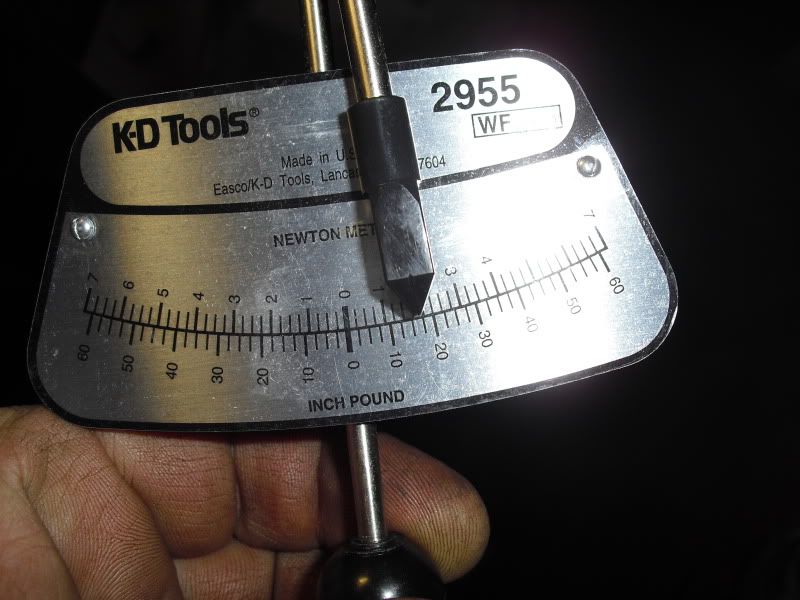
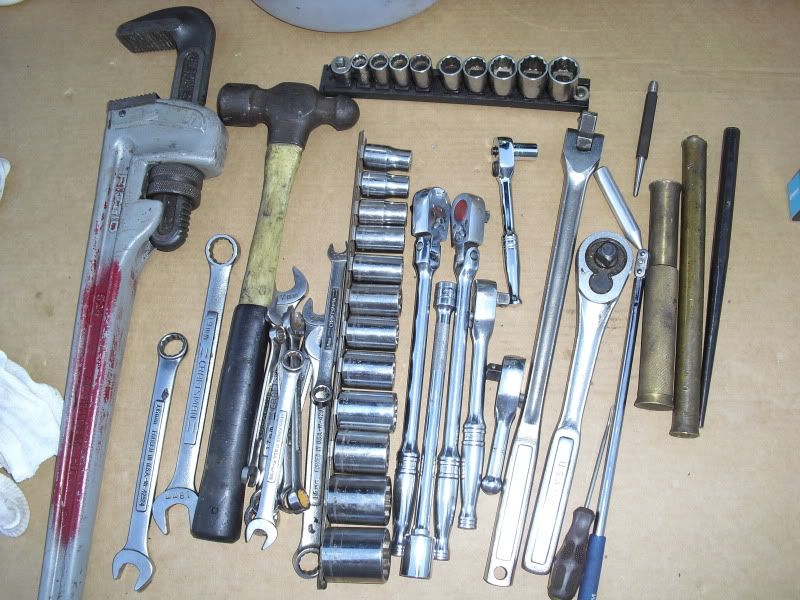
Basic hand tools, brass punches, hammers, slide hammer puller, bearing pullers, torque wrench, inch pound torque wrench and a shop press. An appropriate jack and jack stands or a lift if you have one. You will also need a set of good slide caliper or a 1 inch micrometer, a dial indicator with magnetic base, your setup bearings and gear paste. ( the paste is included in the master install kits).
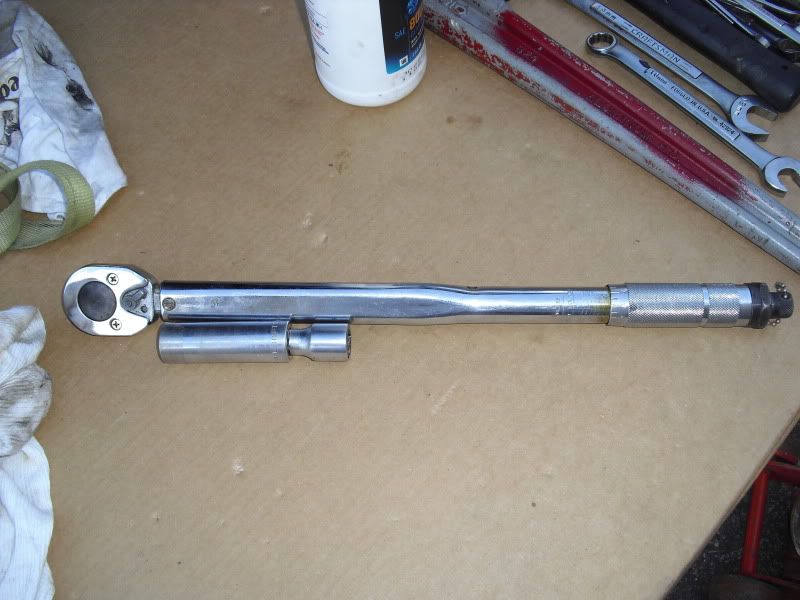
GearTools002.jpg


GearTools006.jpg


GearTools001.jpg


GearTools007.jpg


The inch pound torque wrench can be puchased from Randy's Ring and Pinion here: http://www.ringpinion.com/Search_Results.aspx?Requery=True&SearchType=ALL&SearchPhrase=tlsm10
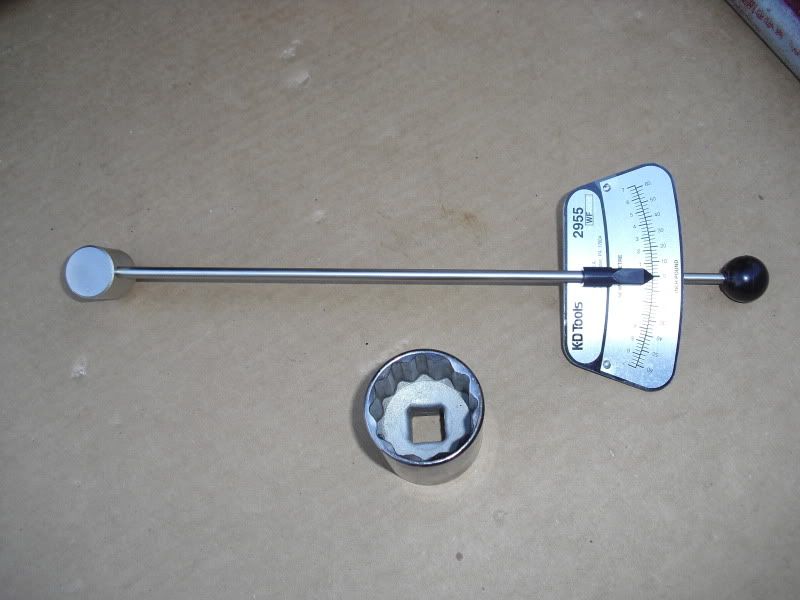
GearTools004.jpg


The pinion nut is a 32mm or 1 1/4" so you need a socket and adapters for that. The small torque wrench is 1/4" drive.
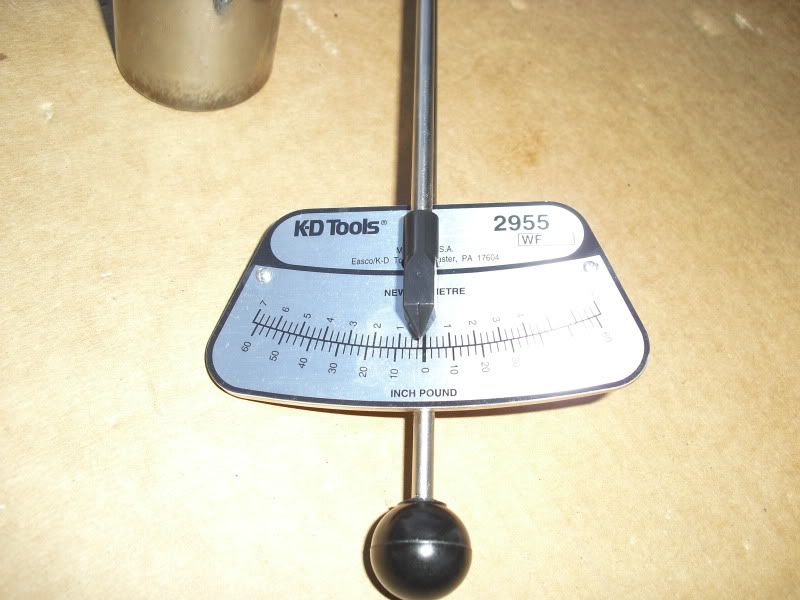
GearTools005.jpg
 

Attachments

  • Yukon Gear Ring and Pinion installation instructions.pdf
    469 KB · Views: 144

Bigredmariner

I'm too LAZY to Choose a Custom Title!!!
Lifetime Supporting Member
Joined
May 21, 2009
Posts
35,883
Reaction score
35
Location
United State of Texas
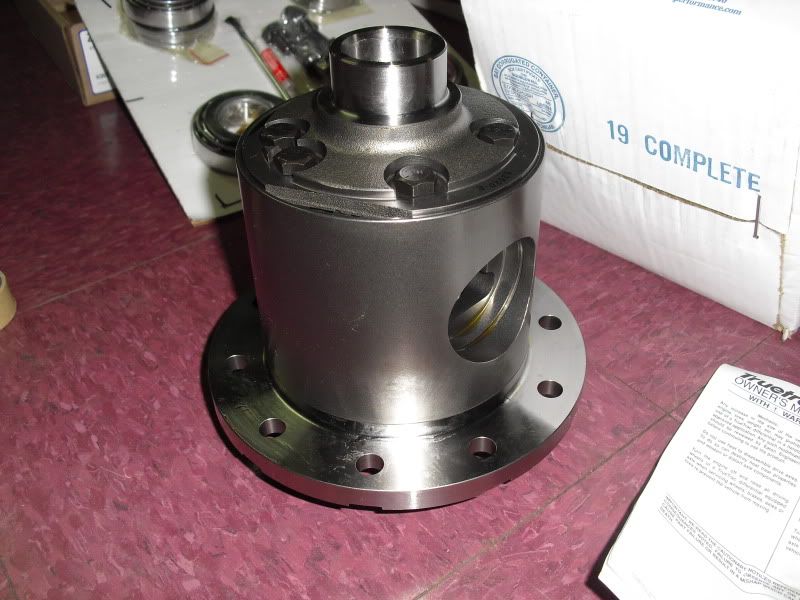
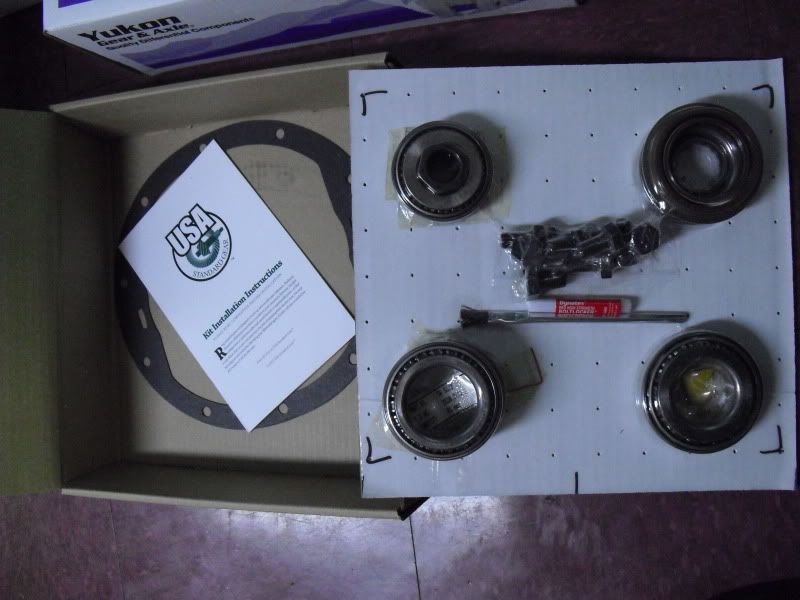
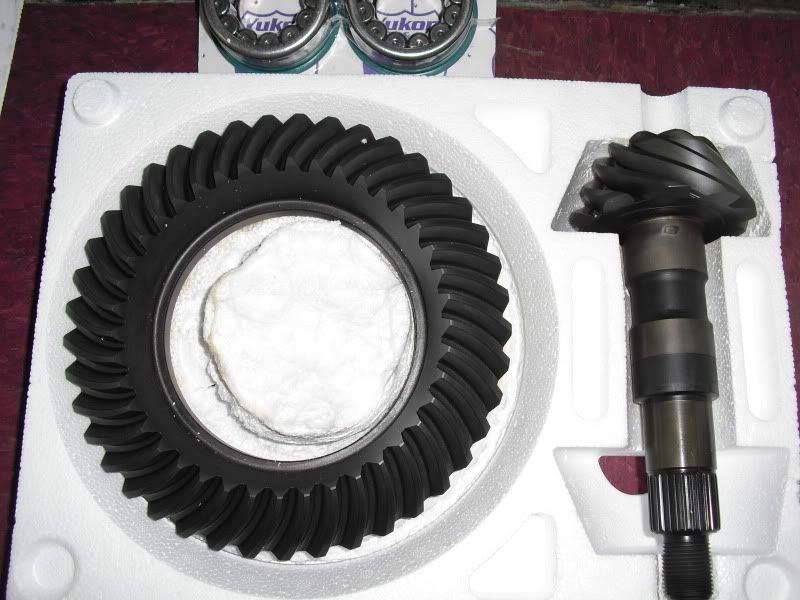
You have your tools assembled, now to the parts. In my install I have a new Detroit True Trac carrier, Yukon 4.11 ring and pinion gears, Master Install Kit, Axle bearing and seals kit. For lower mileage diff's a lot of folks skip doing the axle bearings and seals, that's your call. My diff has 111K miles on it so I didn't want to take a chance on having to tear back into it for some relatively cheap bearings.

Detroit True Trac:

Gears017-1.jpg


Yukon Gears, 4.11:

Gears015-1.jpg


Master Install Kit:

Gears012-1.jpg


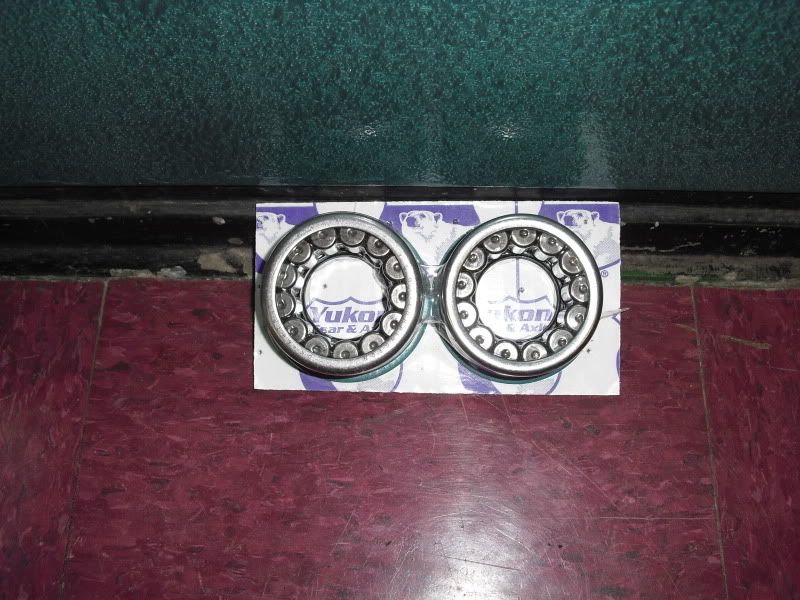
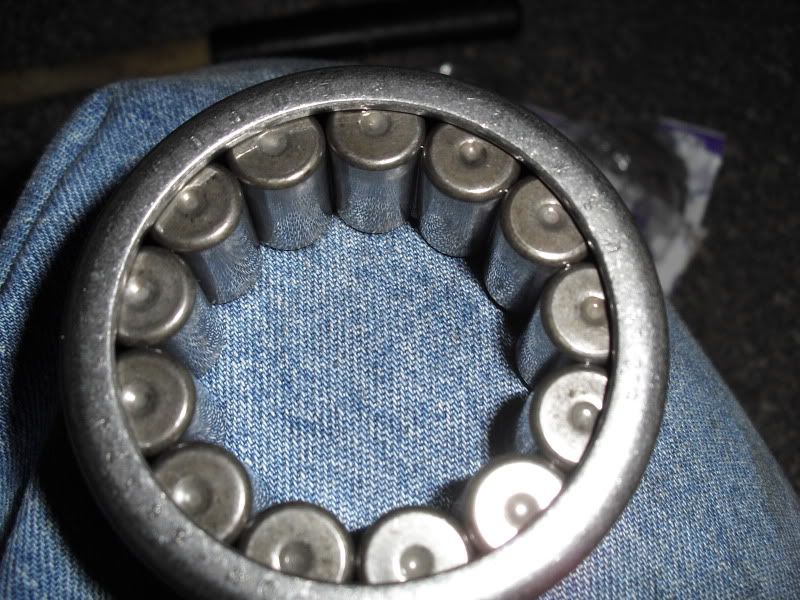
Axle Bearings and Seals:

Gears013-1.jpg


You will need setup bearings to make this go smoother. You can order them with your install kits or you can pick these bearings up locally. A word of caution: I have usually pulled the old pinion bearings and used them for setup bearings, but I found on this set that the factory bearing and the new bearing where different by about 0.200". That is a ton of difference and had I used the old bearing for setup, final assembly would have been way out. Truth be told, with that big of a difference the carrier probably wouldn't have even been able to fit the housing.

My solution, take the inner pinion bearing from your kit. Go to your local parts house and pick up an identical bearing that you can use as a setup bearing. This cost me $16 versus $50 for the setup bearings from the install kit supplier. The outer pinion bearing that you have removed from the original setup can be used as a setup bearing regardless. All you are needing is for the pinion to be centered. Depth of the pinion will be set by the inner bearing and shims.
 

Bigredmariner

I'm too LAZY to Choose a Custom Title!!!
Lifetime Supporting Member
Joined
May 21, 2009
Posts
35,883
Reaction score
35
Location
United State of Texas
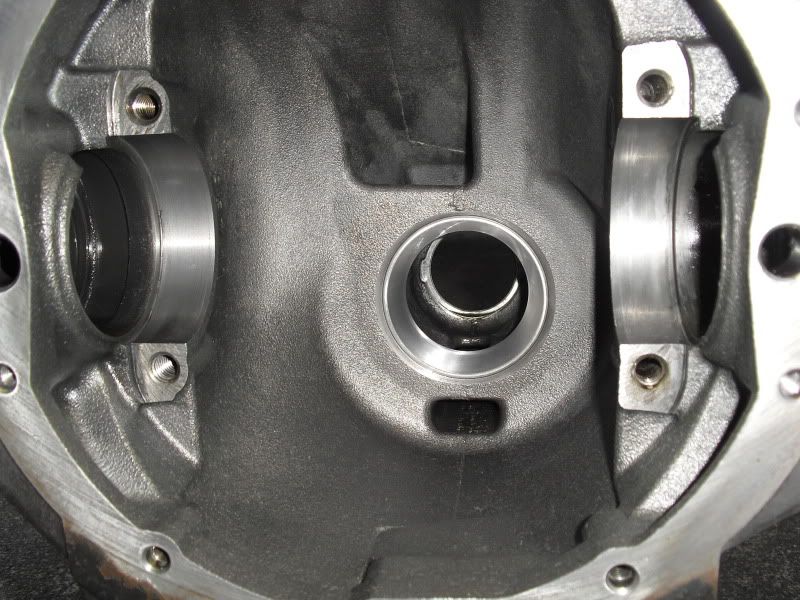
Prepare your housing, make sure to properly clean your diff housing of all gunk and possible metal shavings from your old setup. Blake clean, diesel or any suitable solvent will work for this along with a bunch of old rags. Clean is the key here.

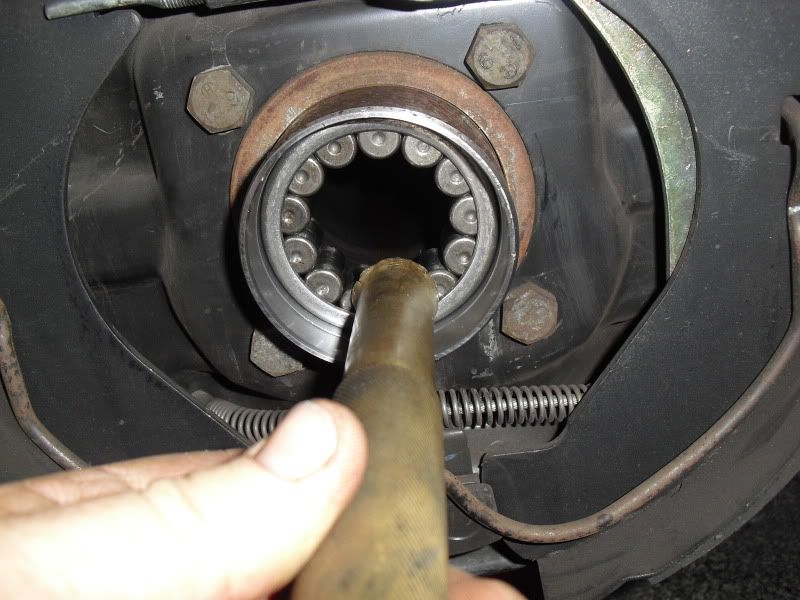
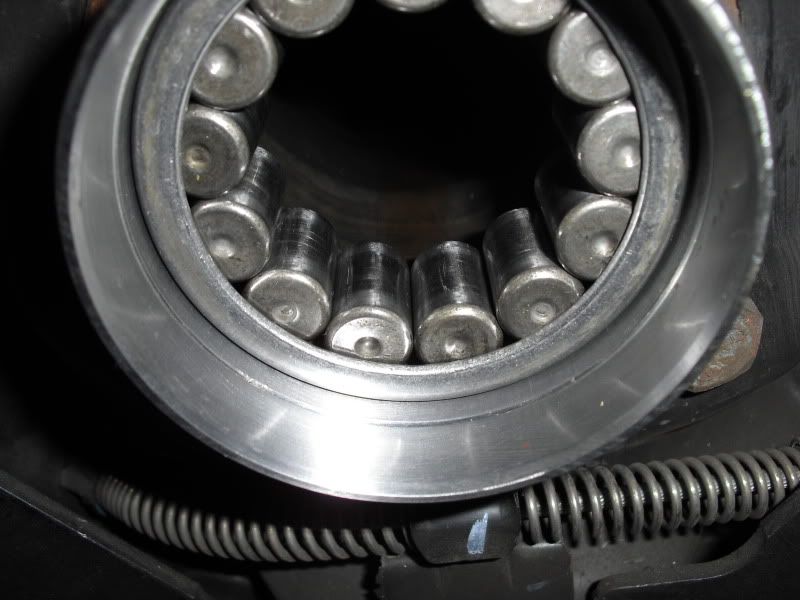
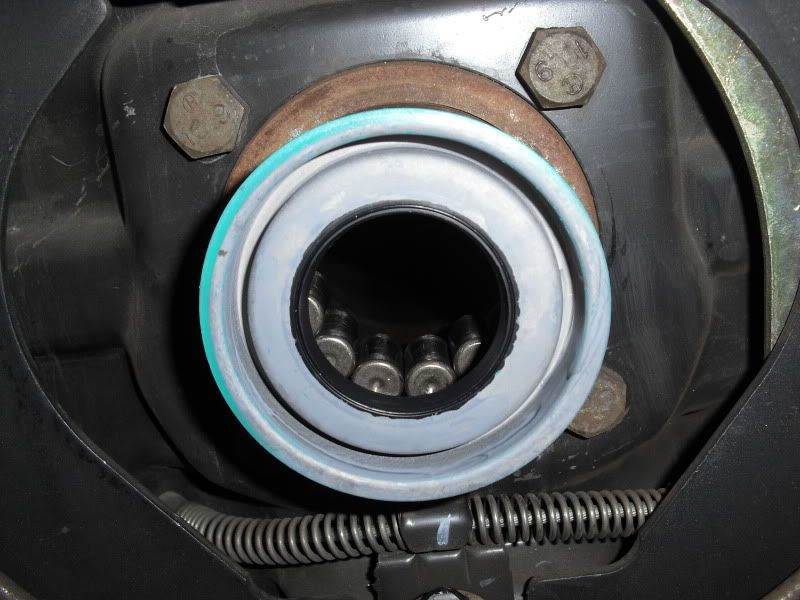
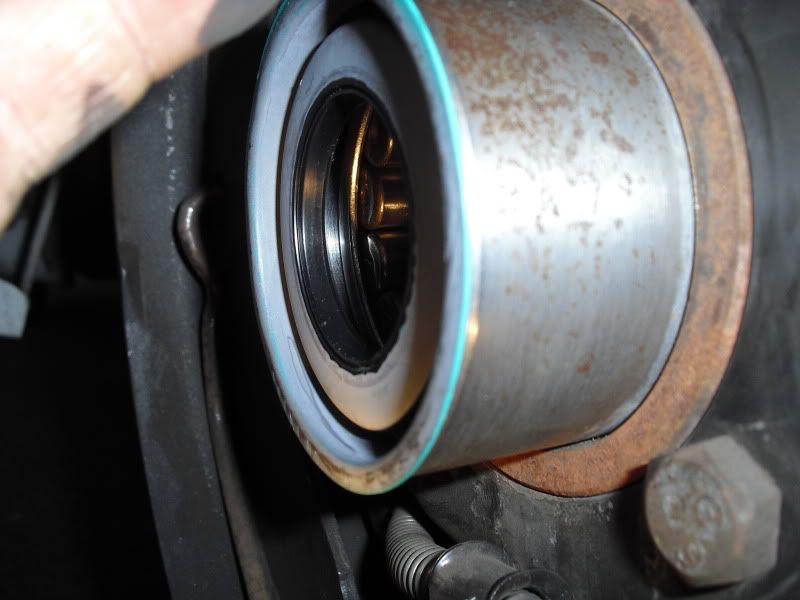
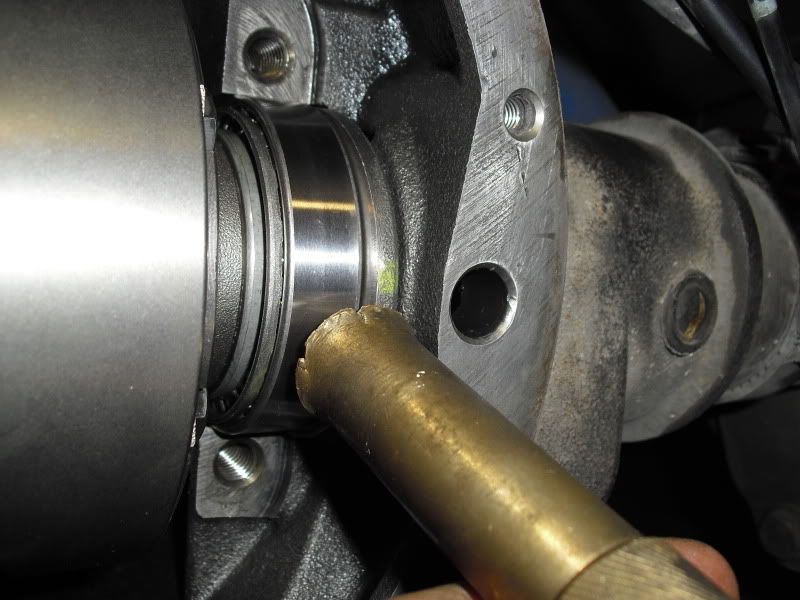
Axle Bearing install, take your new bearing and place it into the housing. Using a bearing driver or brass punch drive the bearing into the housing until it seats. If you are using the punch method, make sure to tap it in by alternative taps on the top to bottom to side to side. Use some common sense and it will go smoothly.

Gears2012.jpg


Gears2014.jpg


Gears2015.jpg


Now for the seal install, install the axle seal in the same manner as the bearing. Make sure the seal is completely seated against the axle tube when finished.

Gears2016.jpg


Gears2018.jpg


Install Inner and outer pinion bearing races, do not install the outer pinion seal at this time. The races can be installed with a race driver or a brass punch. To add in the race install, place the races in the freezer over night. Then when you are ready to install them go directly from the freezer to the install. Make sure the races are completely seated in the housing.

Gears3015.jpg
 

Bigredmariner

I'm too LAZY to Choose a Custom Title!!!
Lifetime Supporting Member
Joined
May 21, 2009
Posts
35,883
Reaction score
35
Location
United State of Texas
Carrier Prep:

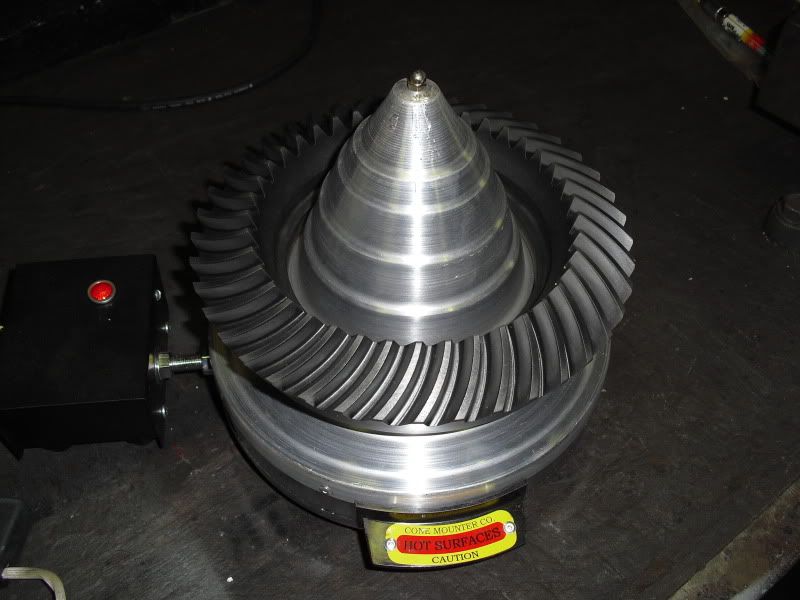
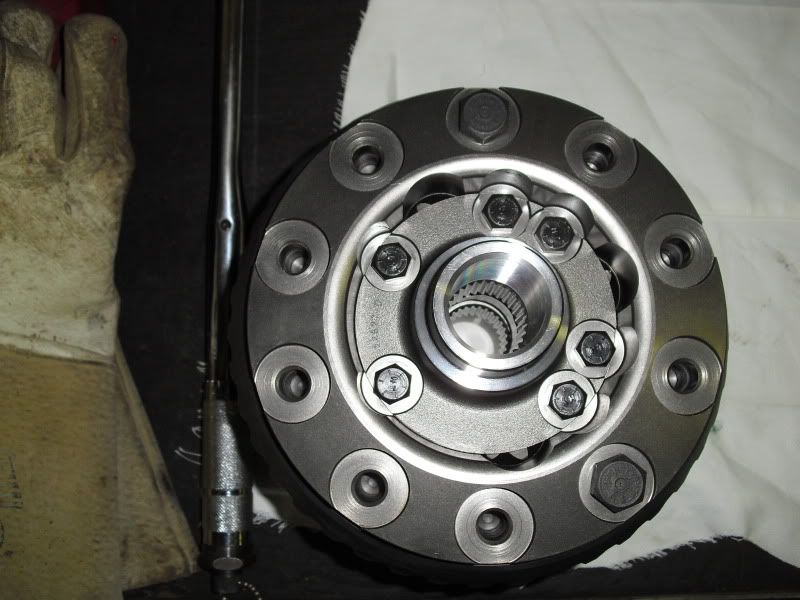
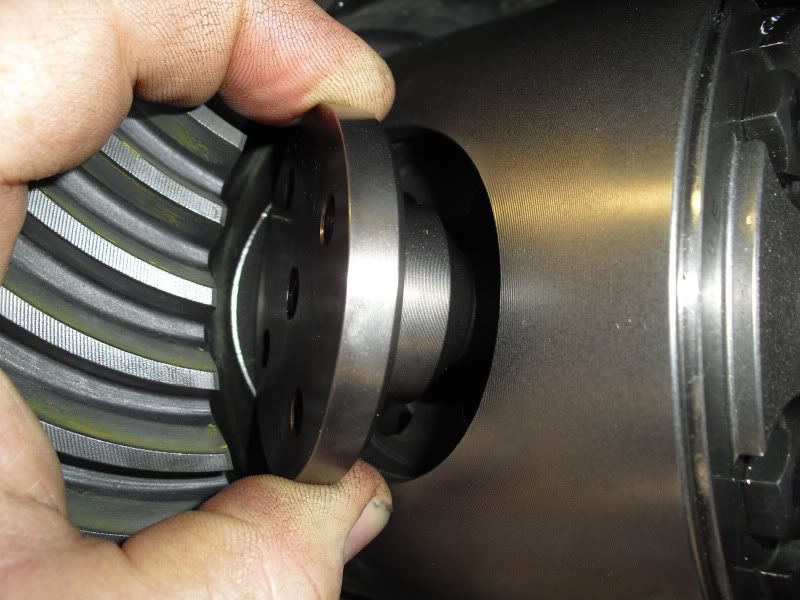
Install the ring gear on the new carrier, you can place the ring gear on a bearing heater like I did or you can place it in the oven at about 200 to 225 degrees. The heat will cause the gears ID to expand making it easier to drop onto the carrier.

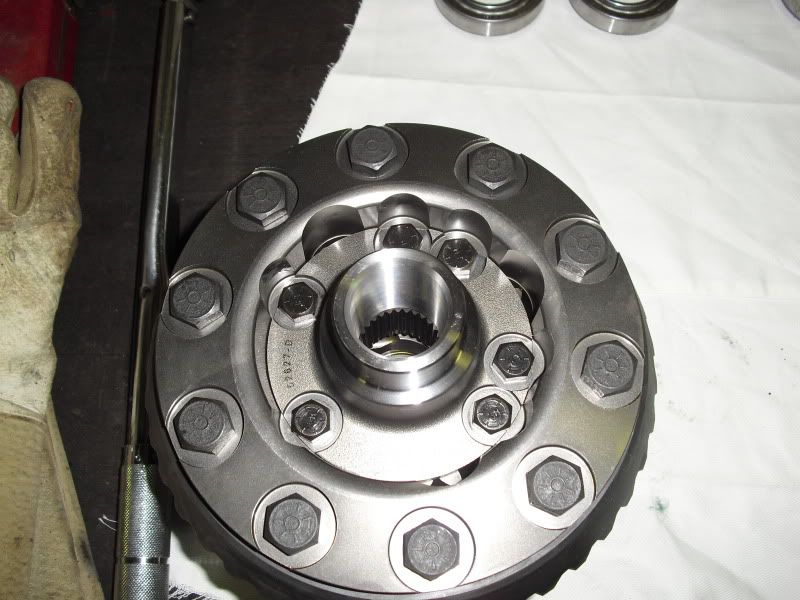
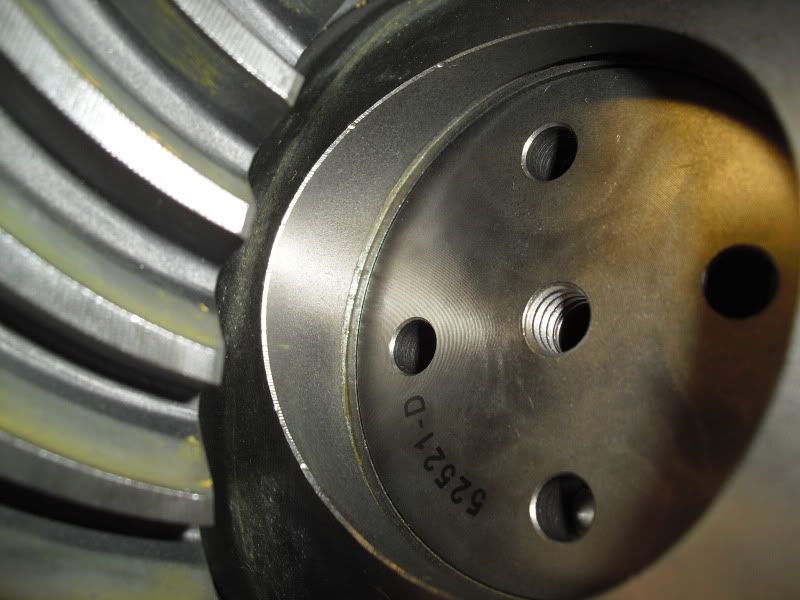
Line the Ring gear up with the bolt holes and loosely thread in a couple of bolts. These are left hand thread bolts now.

Gears018.jpg


Gears021-1.jpg


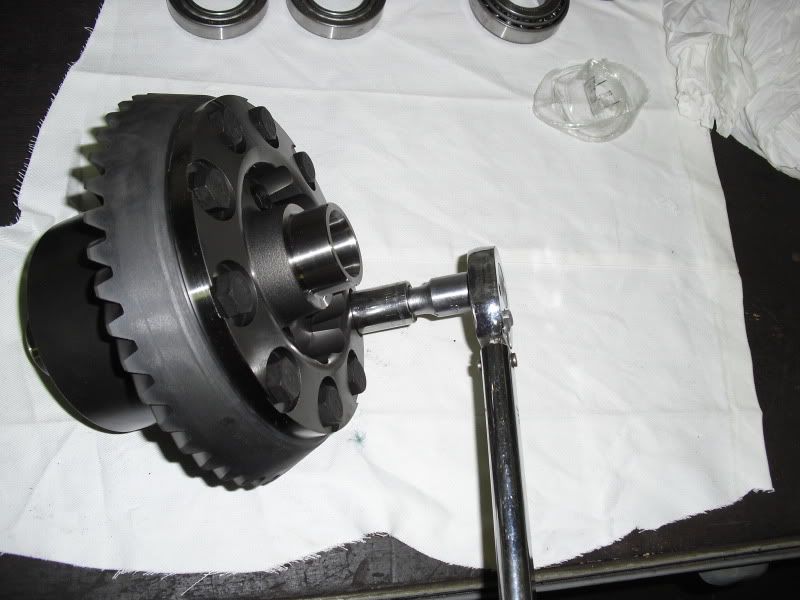
Put lock tite on all of the ring gear bolts, install all bolts by hand before torquing.

Gears023.jpg


For my gear all bolts were torqued to 65 foot lbs. Use a criss-cross pattern when torquing down the ring gear to the carrier. ** Make sure your torque wrench measures torque of left handed bolts. Some only measure right handed, you need to be sure before starting.**

Gears024.jpg


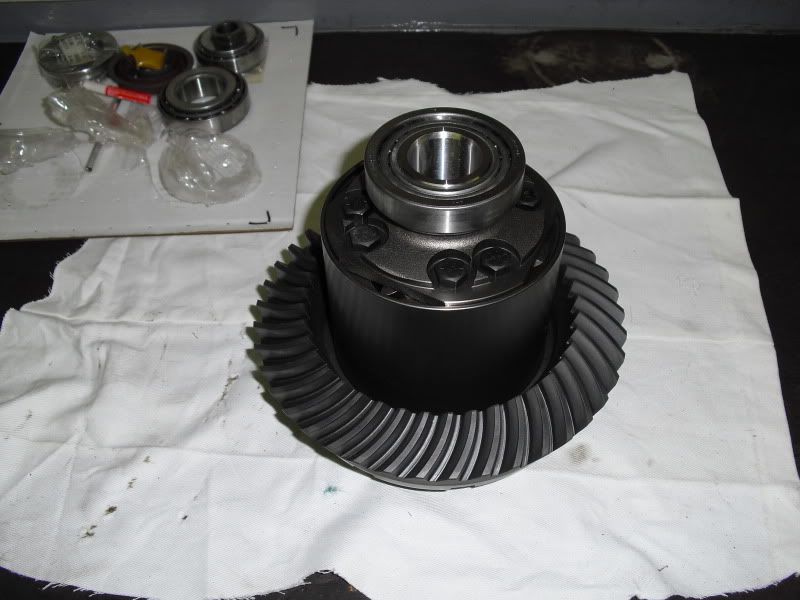
Next install the carrier bearings, this will required a shop press. Or a hard block of wood and a BFH (that's: Big fWONking Hammer). The press is the safest way though, make sure the bearings seat completely on the carrier.

Gears025.jpg
 

Bigredmariner

I'm too LAZY to Choose a Custom Title!!!
Lifetime Supporting Member
Joined
May 21, 2009
Posts
35,883
Reaction score
35
Location
United State of Texas
Pinion prep:

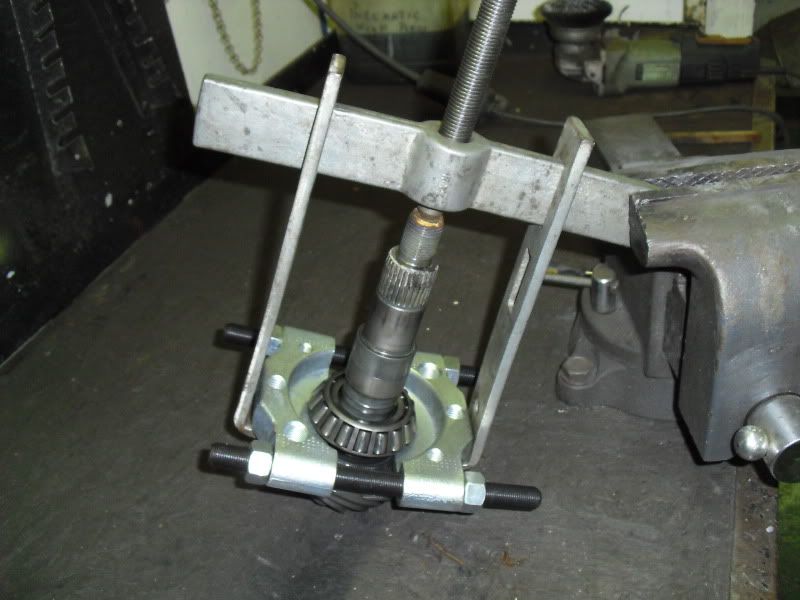
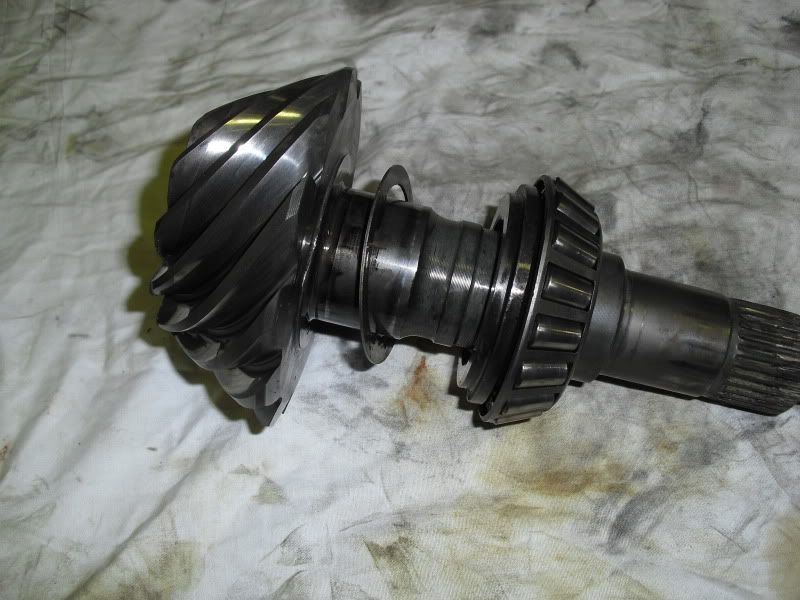
Now you will need a starting point for initial setup. If you have the tools, remove the original inner pinon bearing and measure the thickness of the pinion shim.

Gears2001.jpg


Gears2002.jpg


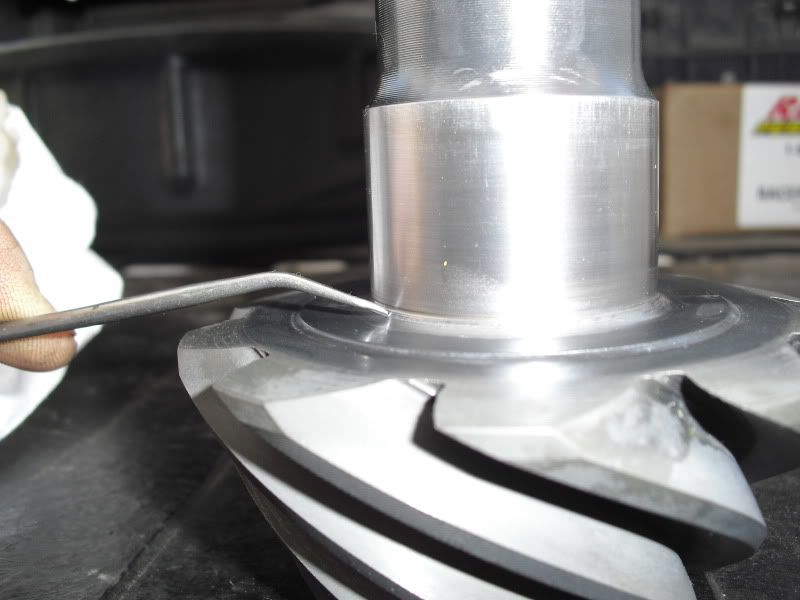
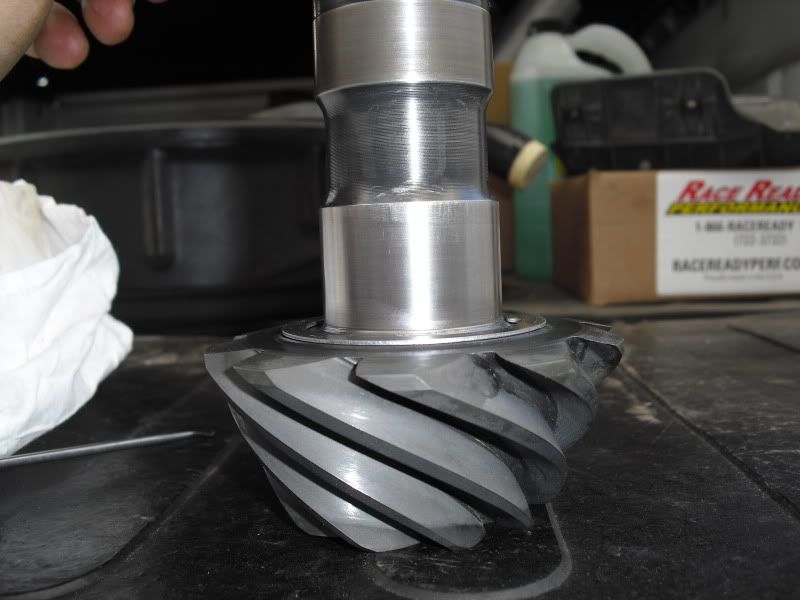
Mine was a 0.037 shim, which seems to be a good common starting point for the diffs. You need to check the pinion shims that come with the kit and make sure they fit flush on the new pinion. My new pinion had a fillet that would not allow the new shims to sit flush. Note the fillet that I am pointing to.

Gears3009.jpg


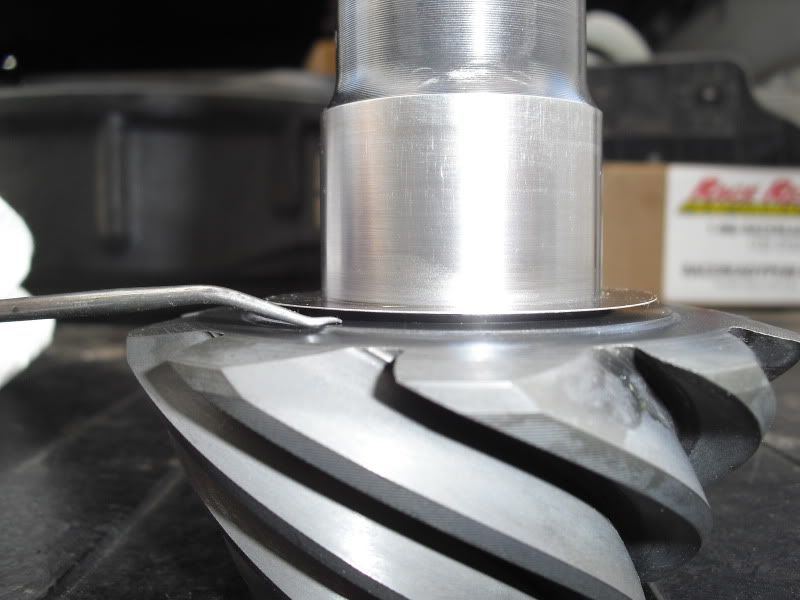
Note the gap between the shims and pinion. This would be a problem since the bearing will not fully seat and it will throw all of your setup readings off.

Gears3010.jpg


This is easy enough to fix. Using a Dremel or similar rotary tool, make the ID of all of the shims large enough to fit flush with the pinion. I used a drum sander attachment on my Dremel to do this.

Gears3011.jpg


Now place your starter shim and inner setup bearing on the pinion.
If you are making up your own setup bearings, using a Dremel with a sanding drum. Slowly increase the ID of each bearing until you get a nice fit over the pinion. You want it snug but not so snug that you have to press it on or off with each new setup. A nice slip fit is what you are trying to achieve here.

Take the new pinion with starter shim and setup bearings, yoke, washer and old pinion nut. Place the assembly into the diff housing. Tighten up the nut, you want the nut tight enough that when you spin the yoke by hand it free wheels about one turn, any looser and you don't have the bearings seated in the races. This would throw your readings off during setup.
 

Bigredmariner

I'm too LAZY to Choose a Custom Title!!!
Lifetime Supporting Member
Joined
May 21, 2009
Posts
35,883
Reaction score
35
Location
United State of Texas
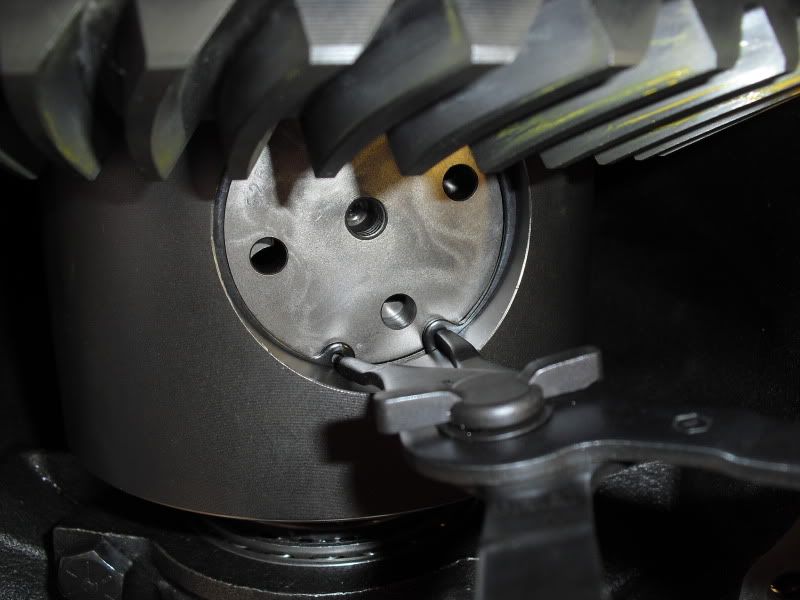
Place the carrier in the housing, using the original shim thicknesses as a guide. Place the driver side shim in first then work in the passenger side shim. The shims should be tight, it will be necessary to drive them in using a hammer and brass punch. This is the carrier bearing pre-load, if it is too loose the backlash will open up when under heavy load causing noise and/or gear failure.


Gears3024.jpg


Install the bearing caps and torque to spec.

Gears4001.jpg
 

Bigredmariner

I'm too LAZY to Choose a Custom Title!!!
Lifetime Supporting Member
Joined
May 21, 2009
Posts
35,883
Reaction score
35
Location
United State of Texas
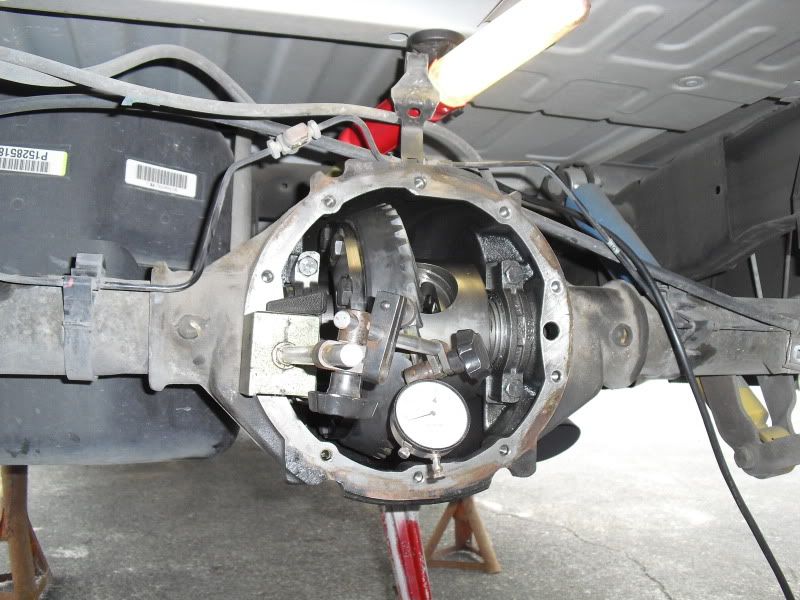
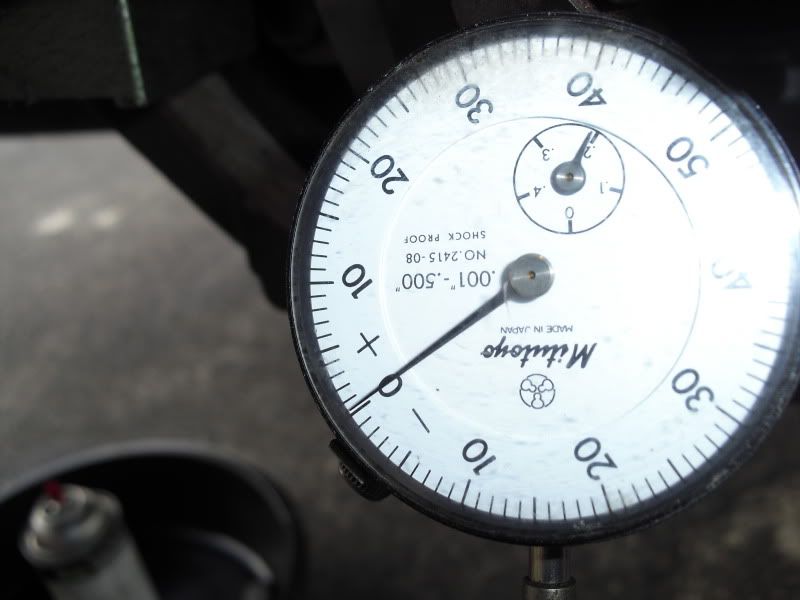
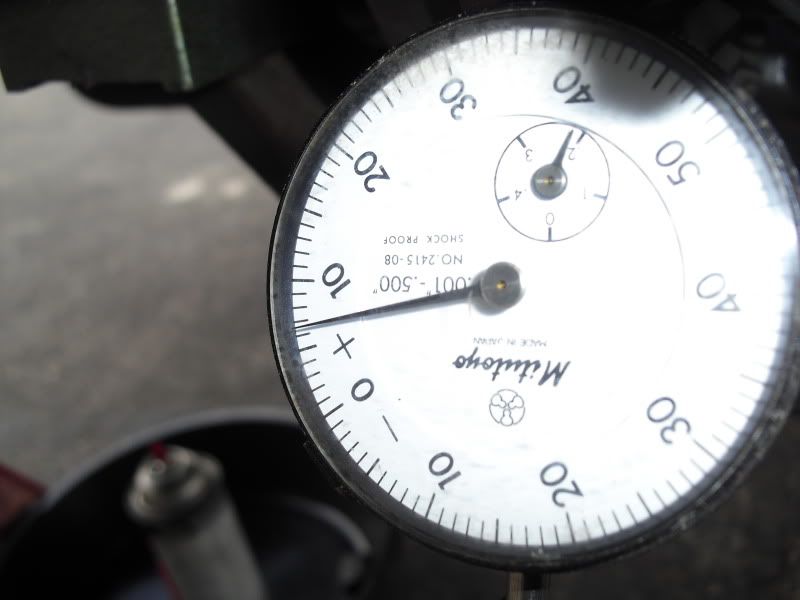
It is now time to setup and check backlash. Set the mag based dial indicator up and position the tip of the indicator on a gear tooth. You want the tip of the indicator as close to 90 degrees to the tooth face as you can get it.

Gears3005.jpg


Gears3027.jpg


Now while holding the pinion firmly rock the ring gear back and forth and measure the backlash. I used a combination of the pipe wrench and one hand to hold the pinion while rocking the ring gear. Do this several times to get the feel of it and ensure you have good readings. Pick a point and zero your indicator.

Gears3002-1.jpg


Gears3003-1.jpg


Compare your backlash readings with the required backlash from the manufacturer. Adjust accordingly until you are within spec. If back lash is too much, then ring gear must move toward the pinion.

Add shims to the driver side and remove the same amount from the passenger side, this will close up backlash. Do the opposite is backlash is too tight. My gear set called for 0.003"~ 0.006" BL. I finally settled on 0.004", get your backlash in spec before moving to the next step.
 

Bigredmariner

I'm too LAZY to Choose a Custom Title!!!
Lifetime Supporting Member
Joined
May 21, 2009
Posts
35,883
Reaction score
35
Location
United State of Texas
Checking Tooth Pattern:

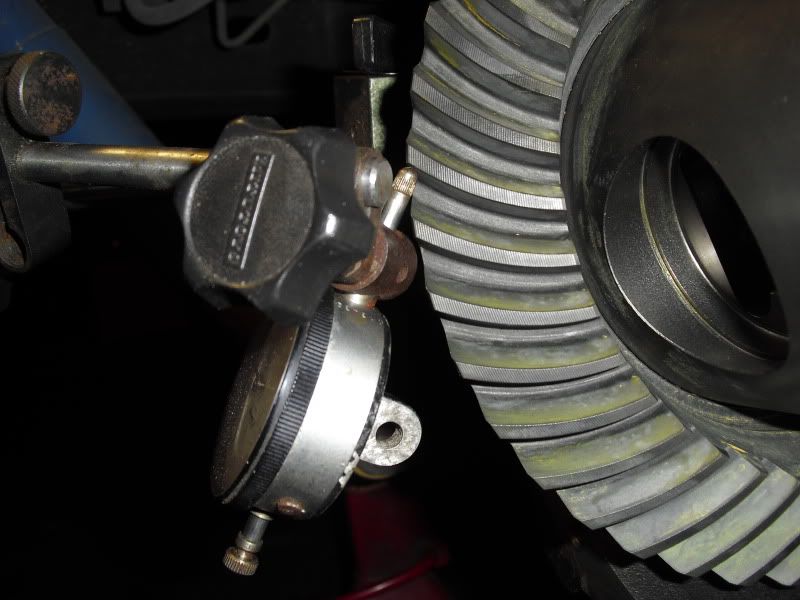
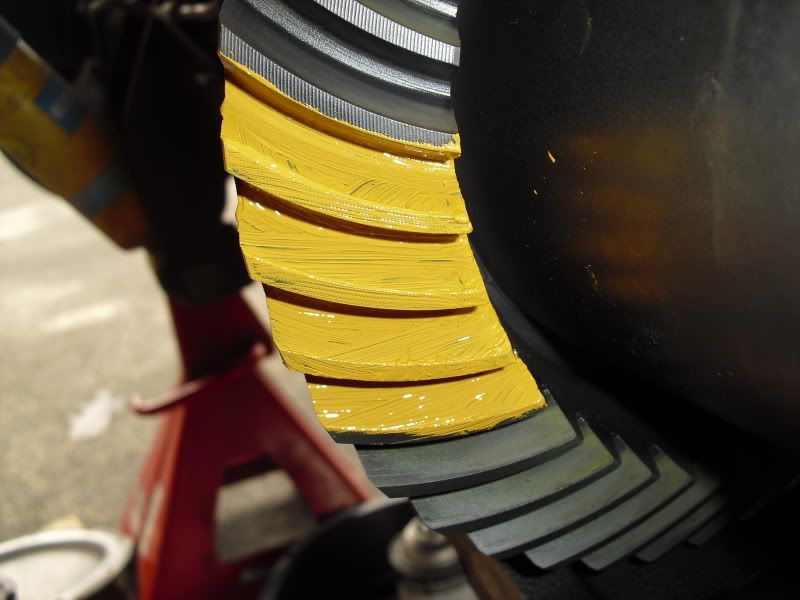
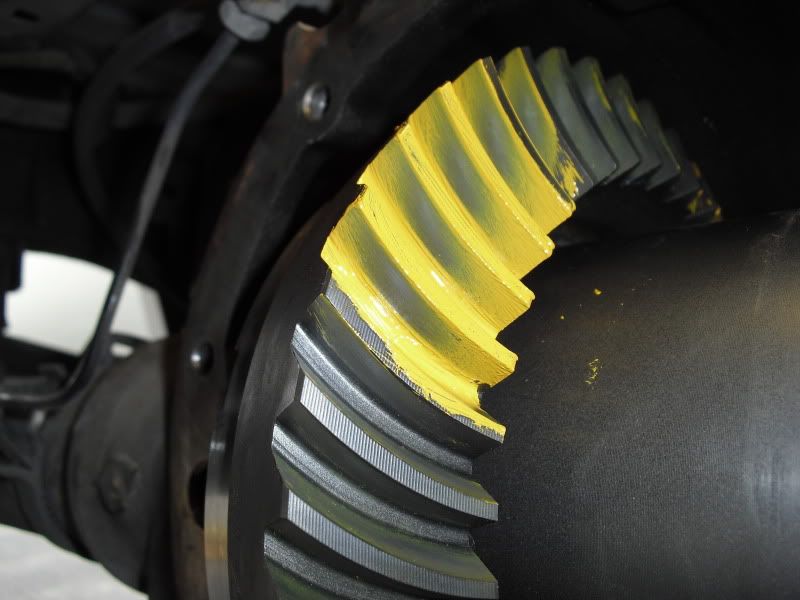
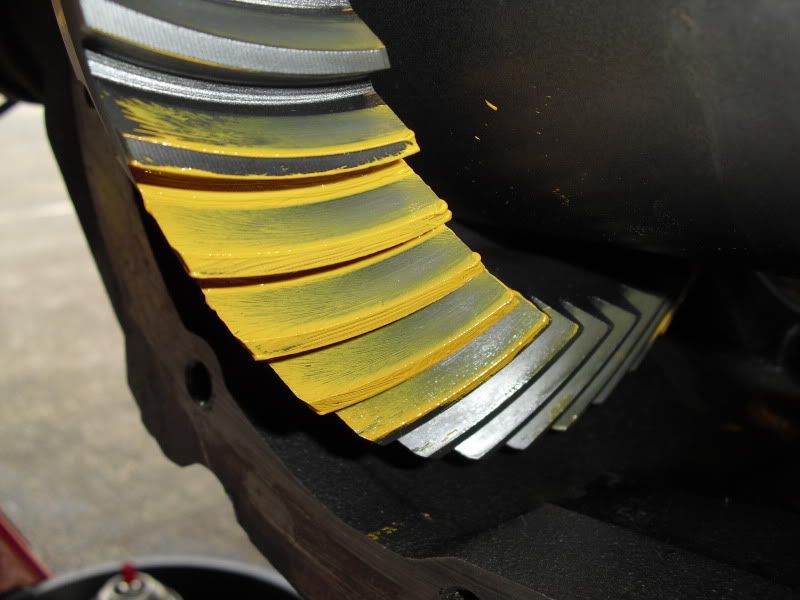
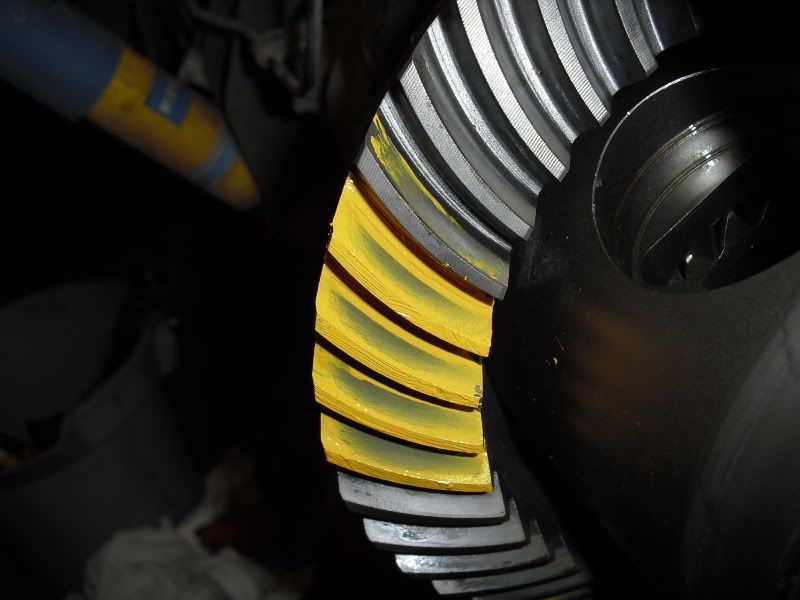
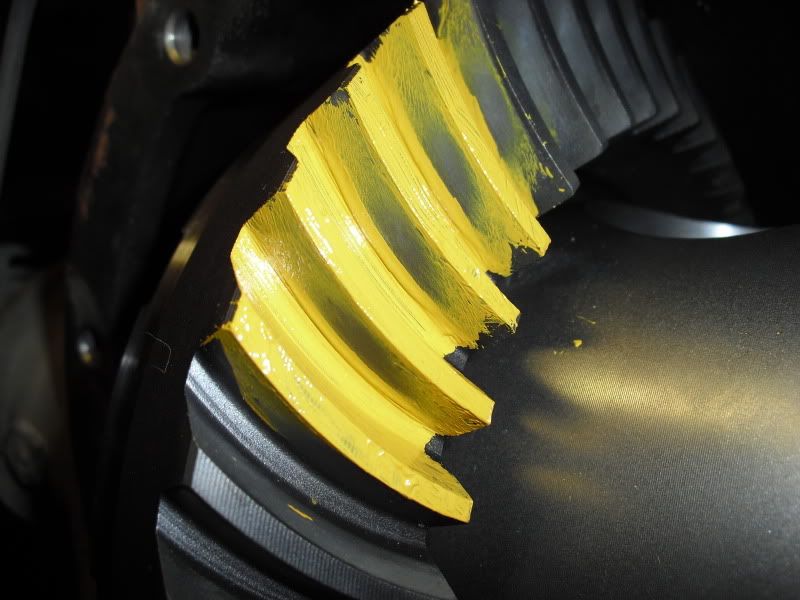
Now that you have achieved the backlash you are after it's time to mix up the gear marking compound and check the tooth pattern. This will give you an idea of the depth of the pinion in relation to the ring gear. This is an important check because if your pinion depth is too great then tooth breakage can occur, too deep and you can also shatter teeth due to the mesh of the teeth being too deep. Which will close up as the gear heats up causing binding.

Locate your marking compound, place some in a small container like the lid from an old can of oil. Mix in a few drops of gear oil to get a smooth consistency with no lumps. Paint 4 or 5 teeth completely with the compound.

Gears3006.jpg


Now rotate the ring gear while holding resistance on the pinion. Rotate the ring gear 4 or 5 times in each direction to get a good indication of the pattern.

Drive side pattern:

Gears3007.jpg


Coast side pattern:

Gears3008.jpg


Refer to the manufacturers handbook for acceptable patterns. This one is from Yukon Gear and shows acceptable patterns.

attachment.php


My final pattern:

Gears3003.jpg


Gears3001.jpg


It took several times of taking the gear apart and changing shims here and there to achieve the pattern I was after. Gear installs take time, so do not rush this step. Slapping it together will only cost you money and ensure an early failure. Read and understand what you are trying to accomplish before tackling a gear install on your own. Most manufacturers include very helpful handbooks with their sets. You can view the attached booklet in the OP for an idea of what they include.

Now disassemble the gear set and clean all parts for final assembly.
 

Bigredmariner

I'm too LAZY to Choose a Custom Title!!!
Lifetime Supporting Member
Joined
May 21, 2009
Posts
35,883
Reaction score
35
Location
United State of Texas
Final Assembly.

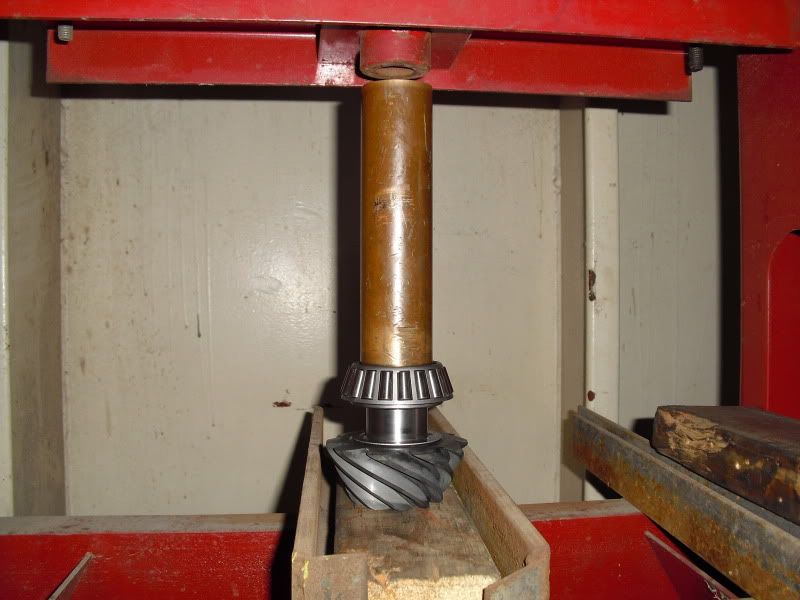
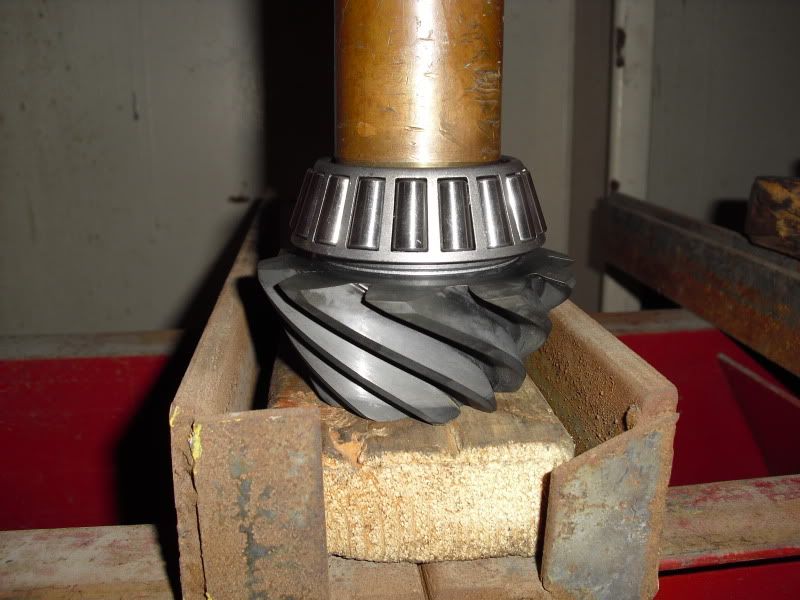
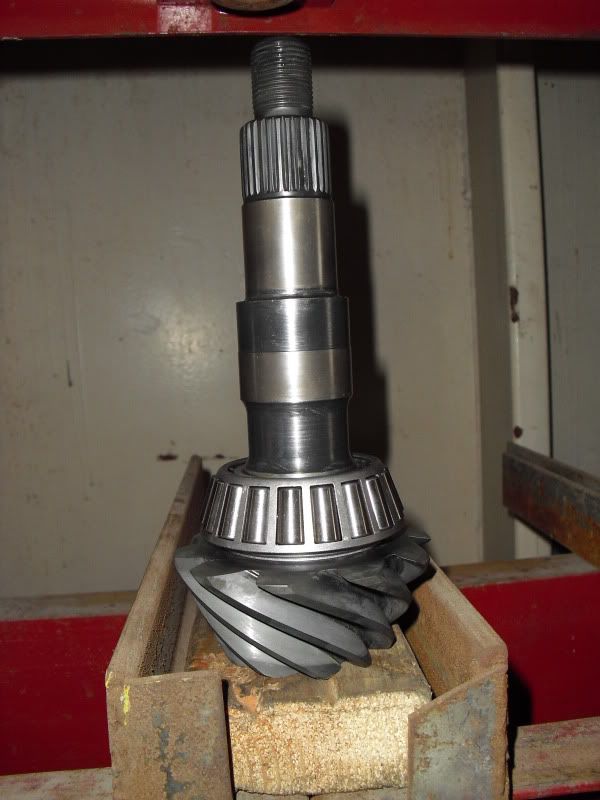
First you will want to clean the new pinion and shim stack, prepare the new inner pinion bearing onto the pinion. Now press the new bearing firmly onto the pinion using the shop press.

Gears3012.jpg


Gears3013.jpg


Gears3014.jpg


Oil up the inner pinion bearing & race add the crush sleeve and place it in the housing.

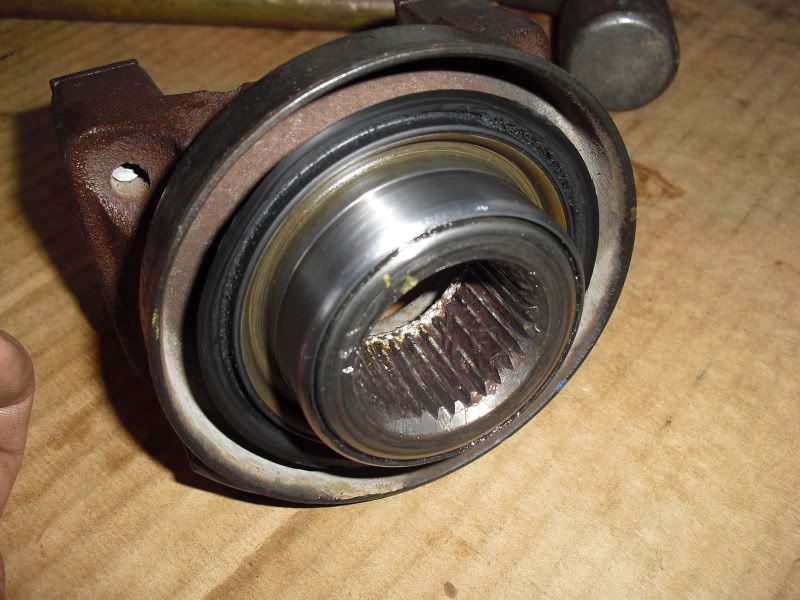
Oil the new outer pinion bearing and race, smear a little grease on the splines of the yoke. With one hand holding the pinion in the housing place the outer pinion bearing onto the pinion shaft. Put the yoke on and using the old nut draw the yoke up on the pinion enough to start the bearing onto the pinion.

Gears3017.jpg


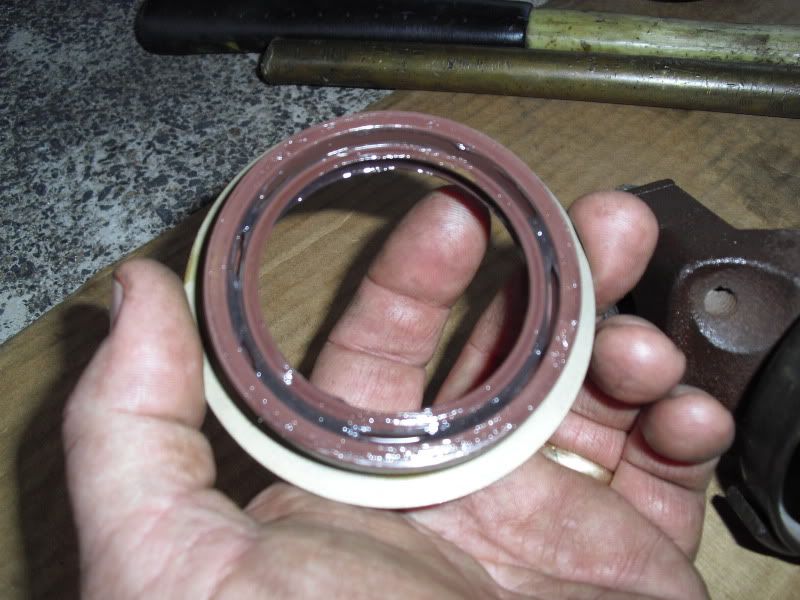
Remove the yoke and install the pinion seal, put some grease on the lip of the seal prior to install.

Gears3018.jpg


Gears3019.jpg


Now install the Yoke, washer and old nut. Draw the yoke nut up tight and get the bearings seated in the races. You are only trying to seat the bearings here, not crush the sleeve. So tighten a little and check play in the pinion, if it will move in and out then tighten up a little more. Once the bearings are seated, remove the old nut.
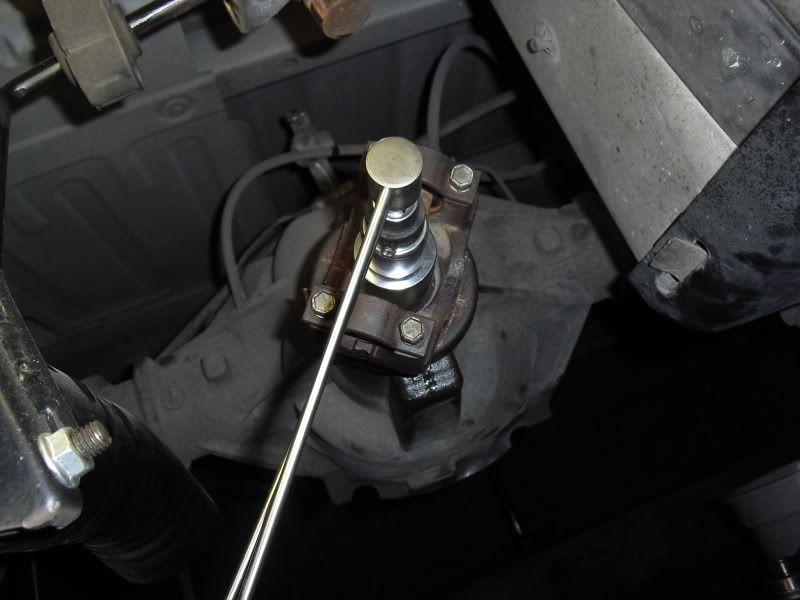
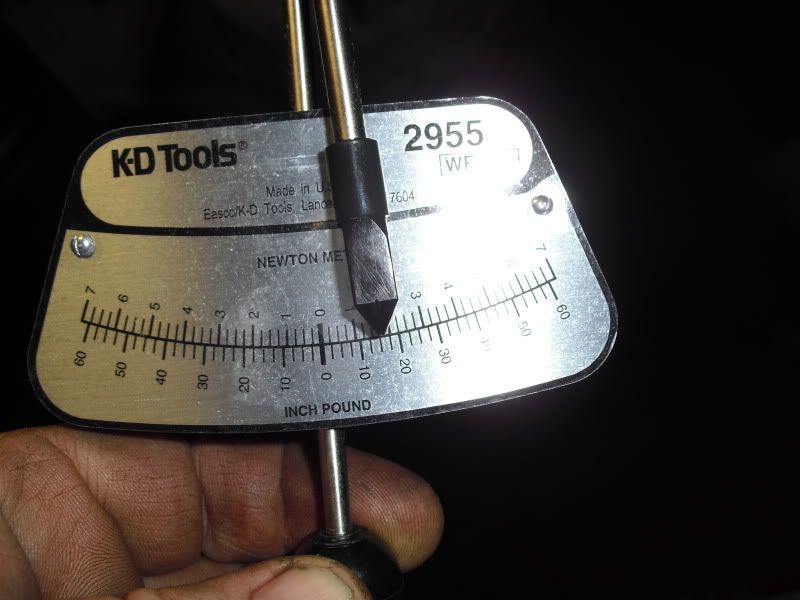
Put lock tite on the pinion threads and install the NEW pinion nut. Tighten up the nut, take care in the tightening procedure. Go a little and check the pinion bearing preload with the inch pound torque wrench. It will get tight as hell when you begin to crush the sleeve, the torque is in the neighborhood of 300 to 400 foot pounds. Don't overshoot the preload, if you do you will have to replace the crush sleeve. So take your time, go a little and check.

Gears3023.jpg


You want to check the resistance of the bearings here, so when checking with the torque wrench make slow steady pulls and watch the torque reading required to move the pinion. Refer to the manufacturers manual for proper pinion preload. In my case it was 14 to 19 inch pounds.

Gears3020.jpg


Gears3021.jpg


This is the single hardest step in the install if you are doing this by hand with no air tools. The large pipe wrench and a quality breaker bar will get the job done, along with a good bowl of Wheaties.:D

Now place the clean carrier into the housing, remember to oil the bearings and races. Place your carrier shims in the correct order from your original setup. Install the bearing caps, make sure to lock tite the bolts for final assembly, torque to spec.

Set up the mag based dial indicator and verify backlash again. If it is still within specs mix up some more gear paste and check the pattern one last time using the same method as covered during setup. If pattern is still satisfactory clean paste from teeth and move to the next step.
 

Bigredmariner

I'm too LAZY to Choose a Custom Title!!!
Lifetime Supporting Member
Joined
May 21, 2009
Posts
35,883
Reaction score
35
Location
United State of Texas
Axle Install:

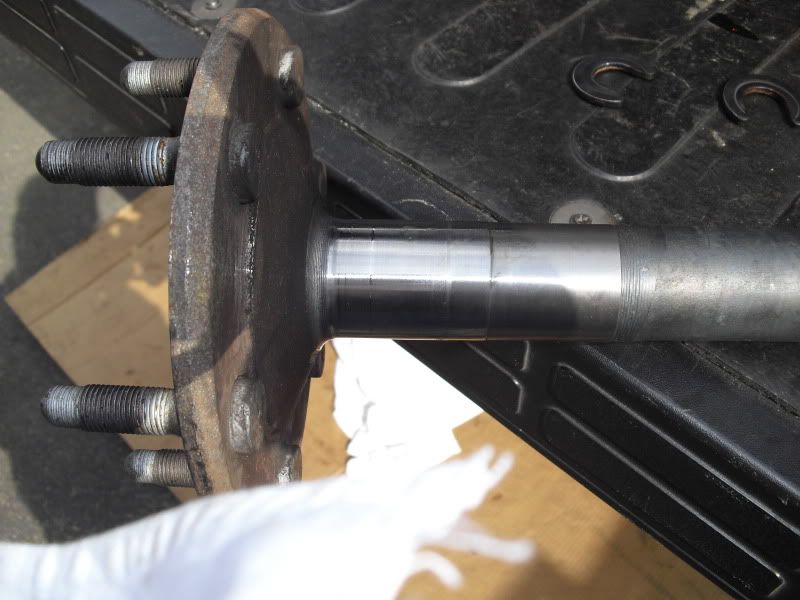
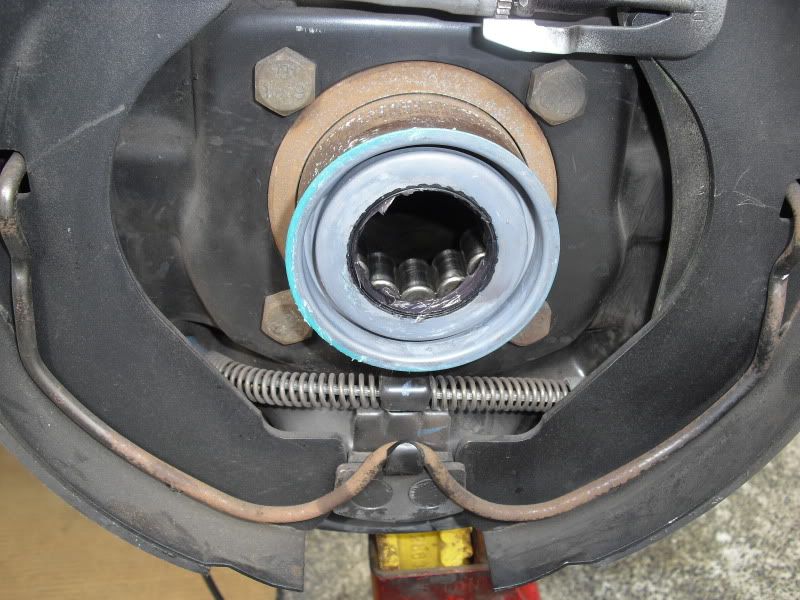
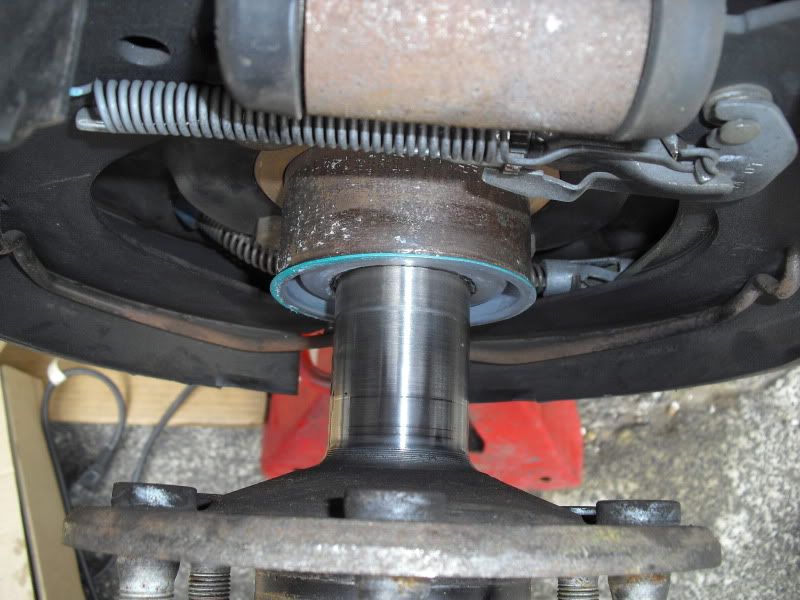
Clean the axles up and use some fine emory cloth to polish the seal and bearing surfaces. Make sure the splines are clean from grit. Put some grease on the lip of the axle seals and squirt some oil on the bearings, the axle splines and the axle seal and bearing surfaces. Gently slide the axle into the housing.

Gears4003.jpg


Gears4004.jpg


Gears4005.jpg


Slide the axle in until you come in contact with the splines of the carrier, this may take some wiggling to get the spline to mesh up. Just be patient and don't break out the hammer. Once the axle has engaged the splines go ahead and shove it in so you can install the C clip on the end of the axle.

Gears4006.jpg


Gears4007.jpg


Repeat for the other axle. Slide the axles outward seating the clips against the side of the carrier. Install the axle spacer now.

Gears4012.jpg


Gears4013.jpg


Now install the retaining cylinder and snap ring.

Gears4014.jpg


Gears4015.jpg


Gears4017.jpg


Almost done.

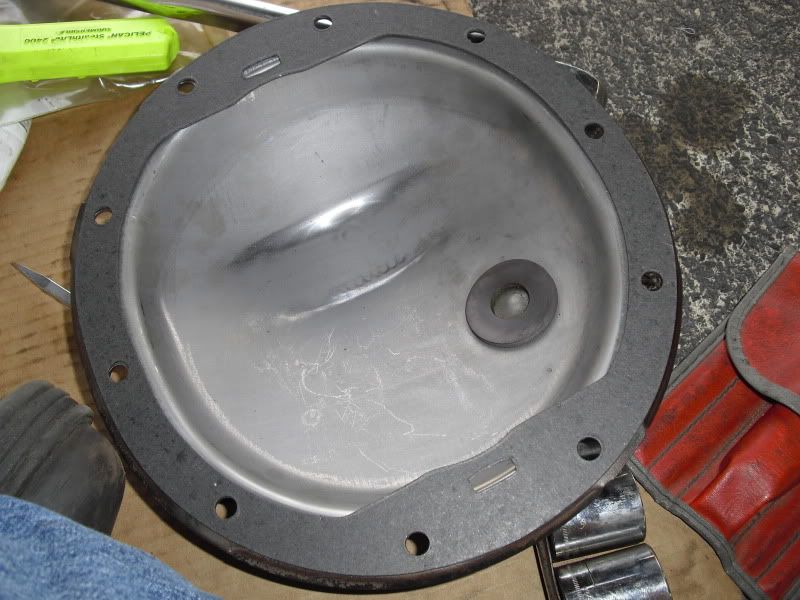
Place your new cover gasket and differential cover over the housing and torque down the bolts.

Gears4018.jpg


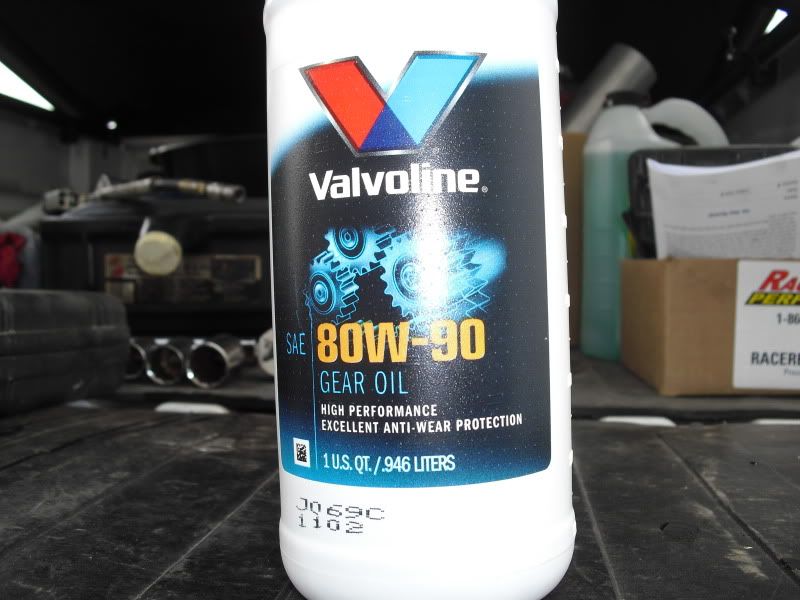
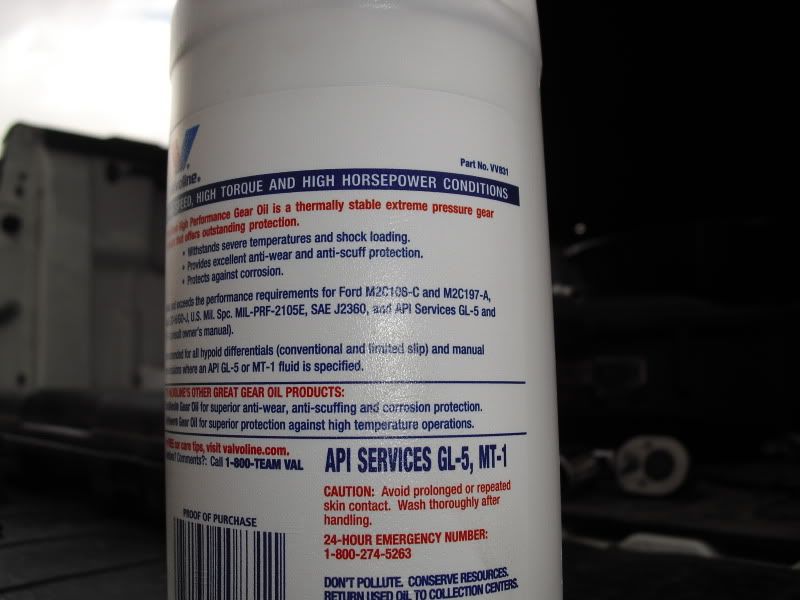
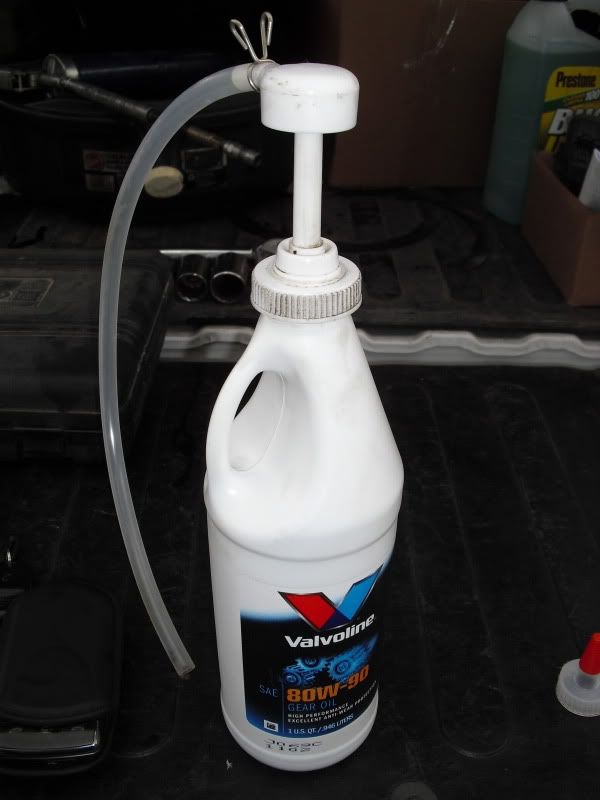
Pull the fill plug and fill up the diff with new gear oil, non synthetic in my case for the True Trac. I used Valvoline 80-90, used what ever brand you want but make sure it is GL-5 compliant.

Gears4019.jpg


Gears4020.jpg


One of these handy little pumps can be picked up at your local parts store for about $8, sure makes filling it back up easy and clean.

Gears4021.jpg


You have one thing left, wheels and tires. :thumbs:
 

Members online

No members online now.

Latest posts

Forum statistics

Threads
28,836
Posts
1,109,352
Members
4,800
Latest member
SpeakerMan
Back
Top